DISCUSSION OF PYQ (5:05 PM):
|
Which one of the following statements best describes the role of B cells and T cells in the human body? (a) They protect the body from environmental allergens. (b) They alleviate the body's pain and inflammation. (c) They act as immunosuppressants in the body. (d) They protect the body from diseases caused by pathogens. Approach:
|
Adaptive/Acquired immunity:
I. Active Immunity:
- It is the immune response by which the body produces antibodies against specific antigens.
- This can happen naturally or after giving a vaccine.
II. Passive Immunity:
- This is an immune response in which antibodies against a particular antigen are administered from outside
- The antibodies are present outside the body and then given to the body.
- A newborn baby has very less developed antibodies, and the mother's milk is the main source of antibodies for him/her.
- If a newborn baby is fed cow's milk, he/she can acquire the antibodies made by the cow.
- Plasma therapy and monoclonal antibodies can help in acquiring artificial passive immunity.
Blood:
- Blood is a fluid body tissue that transports vital materials to different parts of the body.
- The major components are plasma, red blood cells, white blood cells, and platelets.
- Blood plasma is a yellowish liquid that contains plasma proteins.
Plasma Proteins:
- They are functional/globular proteins and not fibrous/structural proteins.
- Types of plasma proteins:
- I. Globulin: For the Defence mechanism of the body.
- II. Albumin: To maintain blood pressure.
- III. Fibrinogen: Clotting of blood.
Red Blood Cells(RBCs):
- Their technical name is Erythrocyte.
- They contain the protein hemoglobin.
- Haemoglobin contains iron which gives the reddish color to blood.
- The primary purpose of the hemoglobin is to transport oxygen to all cells.
- All cells need oxygen to obtain energy.
- Adenosine Triphosphate (ATP) is the "energy currency" of the cells.
Platelets:
- Their technical name is thrombocytes.
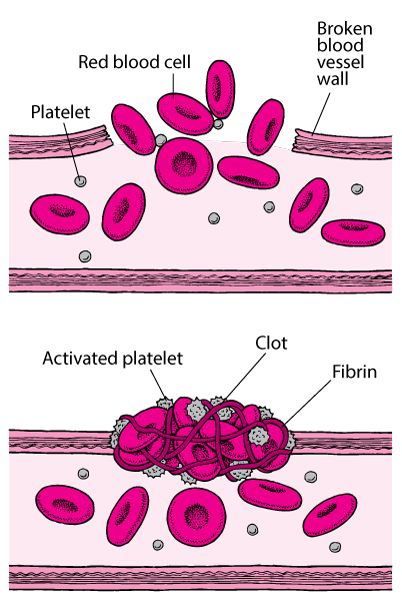
- They initiate the process of clotting blood.
- Dengue patients see a large reduction in platelet count.
-
-
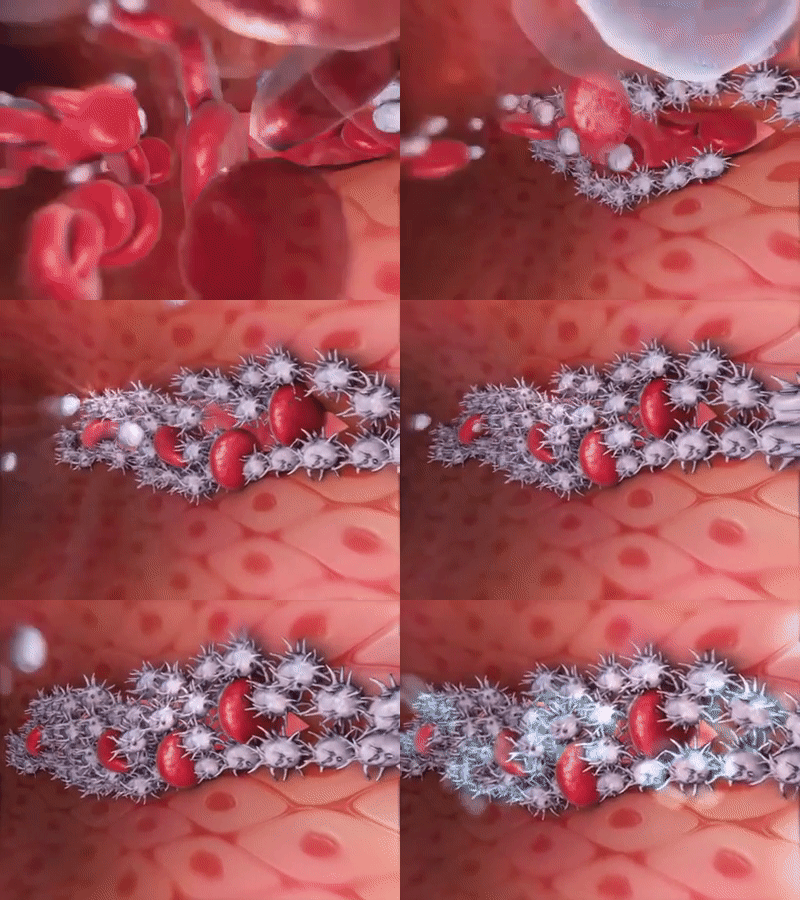
- Other components needed for blood clotting are Vitamin K, Fibrinogen, etc.
WHITE BLOOD CELLS (WBCs) (5:35 PM):
- Their technical name is leucocytes.
- Two main types of WBCs are:
I. Agranulocytes: They do not contain granules in their cytoplasm.
- For example:
- Monocytes which give innate immunity.
- Lymphocytes- B cells(antibody-mediated immune response) & T cells (Cell-mediated immune response).
II. Granulocytes: Granules present in the cytoplasm
- They can be classified into:
- Neutrophils- Effects innate immunity.
- Basophils- Involved in causing inflammation.
- Eosinophils- involved in allergic reactions.
Blood group:
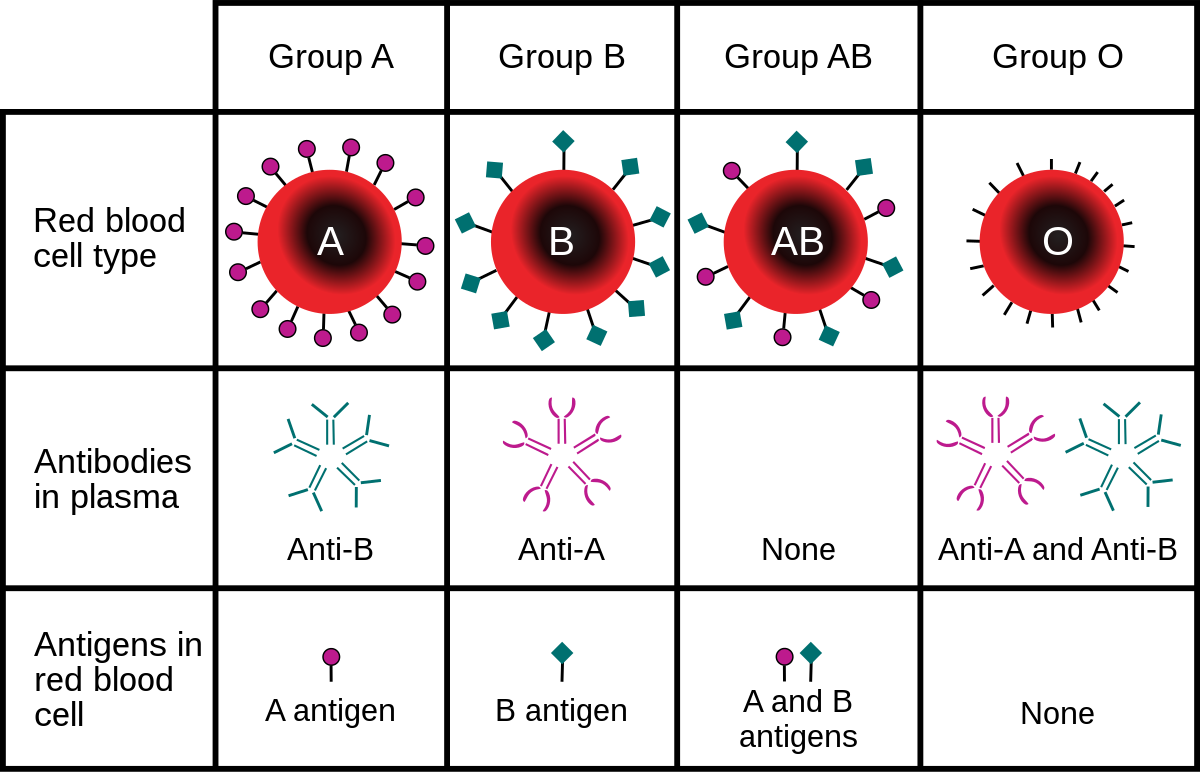
- A blood group is a classification of blood that is based on the presence and absence of antibodies and inherited antigenic substances on the surface of red blood cells.
- An Antigen is an entity that causes the body to initiate an immune response against it.
- This is present on the surface of the red blood cells.
- An Antibody is a substance that is produced by the plasma white blood cells in response to certain antigens.
- A type of antigen will never produce an antibody for itself because that would mean the body working against itself.
- Like we will never have A antibody produced against A antigen.
-
Rhesus(Rh) Factor:
- This refers to a certain type of protein present at the surface of the RBCs.
-

BLOOD TRANSFUSION (6:00 PM):
- Blood transfusion is simply the process under which the blood loss due to surgery or accident is replaced.
- Blood transfusion considers the concerned blood groups, Rh factor, and the associated antigens & antibodies that can be produced.
- We will try to avoid transfusion so that the antibody and antigen of any single group get into a single body.
- We need to focus on the antigen of the blood donor and the antibody produced in the recipient.
- O negative is the universal donor because as it has no antigens, it will not trigger an immune response even if the recipient has a different blood type.
- As far as possible, the recipient is given the same blood group.
- AB-positive blood type is considered a universal acceptor because it does not have any antigens, it will not trigger an immune response when it is transfused into someone with a different blood type.
-

|
|
Golden Blood Group:
|
|
Termination of pregnancy:
|
GENETICS(6:40 PM):
Genetic material:
- It is responsible for transferring genetic information from parents to children.
- DNA is the genetic material which is found in chromosomes.
-

Nucleic Acids:
- They form the genetic material of all life forms.
- They are responsible for the transfer of characters from parents to offspring/ one generation to the next.
It is made up of three parts:
- I. Phosphate group.
- II. Pentose sugar- Ribose and Deoxyribose.
- III. Nitrogenous base- Purines (Adenine A, and Guanine G), and Pyrimidines (Cytosine C, Thymine T, Uracil U)
DNA:
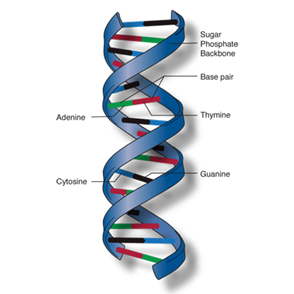
- It mostly has a double-stranded helix structure.
- It consists of Adenine, Guanine, Thymine, and Cytosine.
-
RNA:
- It mostly has a single-stranded structure helix structure.
- It consists of Adenine, Guanine, Cytosine, and Uracil.
-
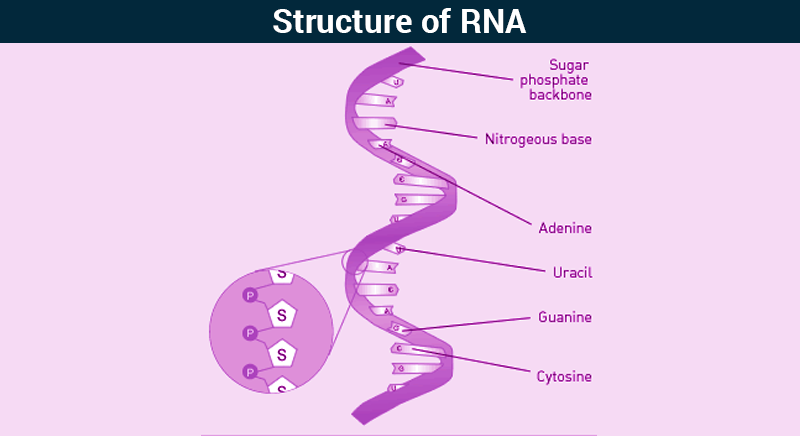
Complementary Base Pairing:
- Complementary base pairing allows the base pairs to be arranged in a more energetically favorable way.
- It is essential in forming the double-helical structure of DNA.
Structure of DNA:
- The structure of DNA contains two strands formed by the sugar and phosphate backbone.
- Between these, nitrogenous bases are present which pair up using complementary base pairing in which Adenine joins to Thymine by a double bond.
- Cytosine joins to guanine by a triple bond.
- These bonds keep the two strands attached together, and the whole structure twists into a spiral form.
- The two strands then twist together into a spiral structure called the double helix DNA.
GENE EXPRESSION (7:10 PM):
- Gene expression is the process the cell uses to produce the molecule it needs by reading the genetic code written in the DNA.
- Simply speaking, gene expression is the process by which the instructions in our DNA are converted into a functional product, such as a protein.
- Gene is a unit of DNA.
- The segments of DNA tell individual cells how to produce specific proteins.
- These segments are called genes.
- It is the presence or absence of specific proteins that give an organism its characteristics.
- Transcription of a segment of DNA to Messenger-RNA takes place in the cell nucleus.
- Translation of this messenger RNA into specific proteins takes place in the ribosomes present in the cytoplasm.
-
:max_bytes(150000):strip_icc()/protein_synthesis-114c6e97b3494f04abc60643d7fda11a.jpg)
Virus:
- Viruses can also have DNA as their main genetic material like adenovirus, and chicken pox virus.
- Viruses can also have RNA as their main genetic material.
- They are of two types:
- I. Non-Retrovirus- Corona, Dengue.
- RNA gets converted into protein.
- II. Retrovirus.
- In retroviruses, the RNA will first convert into DNA by reverse transcription.
-

- For example- the HIV virus.
- For non-retroviruses, the RNA will directly create protein.
- When we mention that DNA is the main genetic material, it means that the genetic information would be present in the DNA of the cell.
- It does not mean that only that specific material is present.
Genetic material vaccines:
I. DNA vaccine:
- It is formed by the introduction of the DNA sequence coding for the disease-specific antigen.
- The production of the target antigen takes place within the body of the organism/person who is vaccinated.
- For example - the Zycov vaccine for Covid 19 by Zydus Cadila.
II. mRNA Vaccine:
- It works by introducing an mRNA sequence that codes for the disease-specific antigen.
- For example- Pfizer, and Moderna vaccines for Covid 19.
- As vaccine also follows the transcription-translation stages, mRNA vaccines will follow one less step as they won't have to do the transcription.
REPLICATION (7:40 PM):
- The normal formation of new cells involves simple division into two cells.
- Both of the new cells will have the same quantity of genetic material as the parent cell.
- For this, the DNA(genetic material) must be doubled and this happens by DNA or RNA replication.
- The linkage patterns of the protein might get changed in division, giving rise to new characteristics.
- When DNA replication takes place, there is a kind of proofreading takes place to ensure that all proteins are matched correctly.
- RNA replication has no such proofreading, hence the chances of errors/ mismatches in protein linkages.
- This is why we saw any variants of Covid.
- Whether a vaccine will work on new variants will depend on how the antigen part has changed in the new variant.
Problem with HIV:
- As we see no recovery from HIV, no memory is created in the B cells.
- This is also why we have no vaccine.
Genome:
- It is the complete set of DNA of an organism.
- It includes all the chromosomes which contain all the genes.
Genome Sequencing:
- It means describing the exact order of base pairs in an individual.
- This helps to understand the function of various genes, identify changes, and explore how these changes impact the gene function.
NCERTs to be referred:
- 6th chapter of class 8.
The topic for the next class is the continuation of genetics & biotechnology.